ServicesInsurance Claims
Insurance Claim Repairs in Mendota
After an accident, the insurance claim and the repair are two separate jobs. We handle the repair side carefully: documenting every bit of damage, working with your adjuster on the estimate, and choosing parts and methods that keep your car sound for years, not just until the check clears.
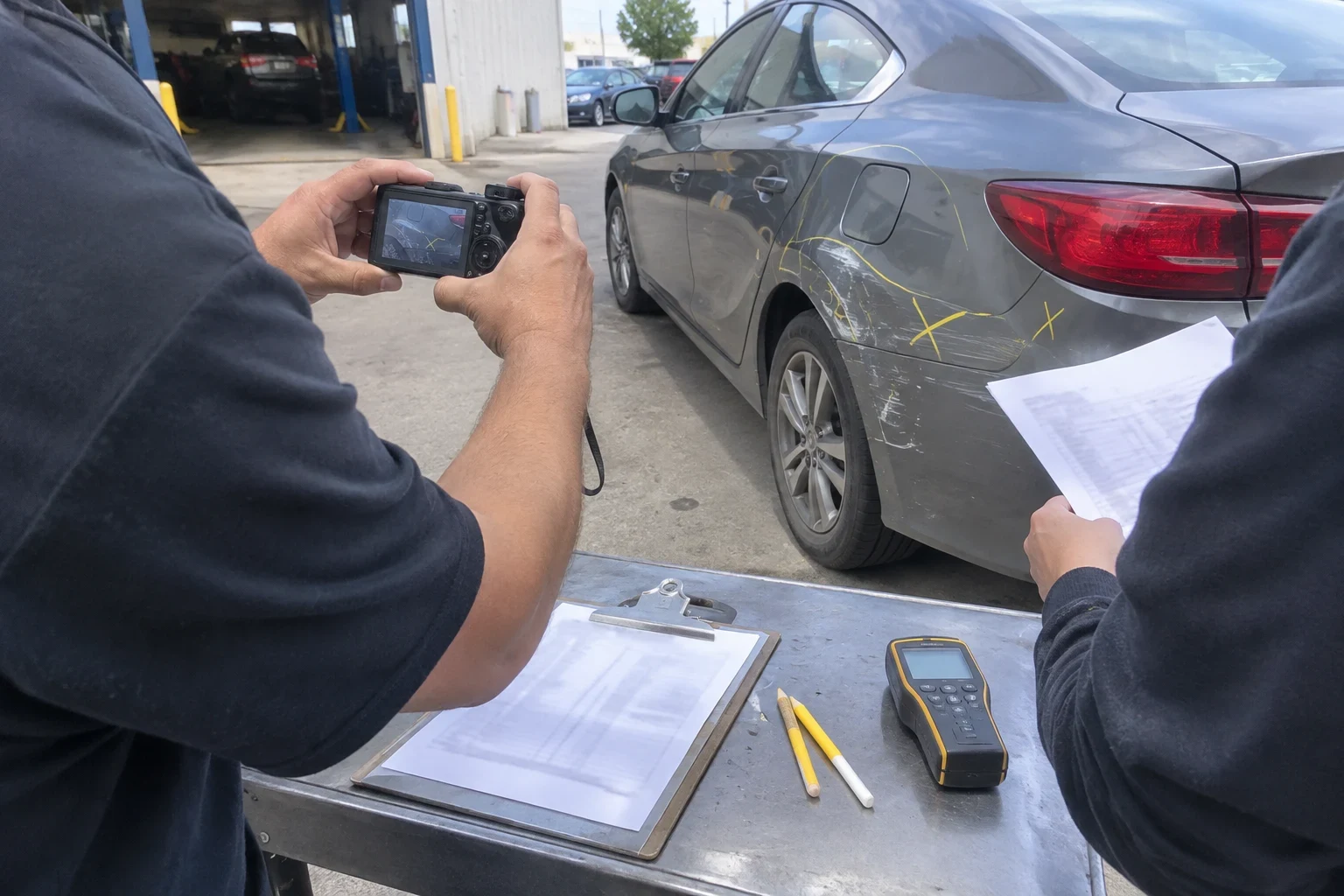
How we handle the repair side of a claim
Your insurer decides what the policy covers. Our job is to show them exactly what your vehicle needs and then repair it properly. We are not your adjuster and we do not speak for your insurance company, but we do the inspection, photos and written estimate that a fair settlement depends on.
California law lets you choose where your car is repaired. A shop your insurer suggests may be perfectly good, but you are not required to use it. If you bring your vehicle to us, we work with whichever company is paying, whether it is your own carrier or the other driver's.
We look at a claim the way we look at any repair: what will this choice cost now, and what will it cost you over the life of the car. A cheaper part that fits poorly or a blend that fades early is not a saving if you are back in two years. We are an I-CAR Platinum certified shop, and that training shapes how we estimate and repair modern vehicles.
What our claim repair work includes
- A full damage inspection
- We walk the whole car, not just the obvious panel. Bent brackets, cracked sensor mounts and pushed-in reinforcement bars often hide behind a bumper cover that looks almost fine.
- Photos and a written estimate
- You and your insurer get a line-by-line estimate with photos of what we found. Every operation is listed, so nothing on the bill comes as a surprise.
- Teardown and supplements
- Once damaged parts come off, more damage usually turns up. We photograph it, write a supplement and send it to the insurer before that work goes ahead.
- Parts guidance
- Estimates may list new factory parts, aftermarket or used ones. We explain how each option fits, how it holds up and what your policy allows, so you can decide with clear information.
- Repair to factory procedures
- We follow the maker's repair data for welding, structural work and sensor calibration. That is what keeps safety systems working the way they were designed.
- Final walk-through
- Before you take the car, we go over the repair with you, point out what was replaced and answer questions about the paint and panel work.
When it helps to bring us in early
The first estimate looks thin
Drive-in or photo estimates are often written before anyone looks behind the panels. If the number seems low for what you see, an in-person inspection usually tells a fuller story.
Your car pulls or sits differently
A pull to one side, uneven gaps between panels or doors that close hard can point to suspension or frame damage. Those items belong on the claim from the start.
A dash light stays on after a small impact
Radar units and cameras now sit behind bumper covers and inside mirror housings. If a light appears after even a light tap, one of those sensors usually needs replacing or recalibrating.
You are unsure which shop to use
If your insurer has named a shop and you would rather choose your own, you can. We are glad to look at your vehicle and explain how we would approach it.
The other driver was at fault
Claims through someone else's carrier can move slower. Clear photos and a detailed estimate from us give that adjuster less reason to question the repair.
How a claim repair moves through our shop
- 1
Open your claim
Report the accident to the insurance company and get a claim number. You can do this before or after you bring the car to us.
- 2
Inspection and estimate
Bring your vehicle in and we inspect it, photograph the damage and write the estimate. That estimate goes to the adjuster, and we walk you through it over the phone so you know exactly what the insurer is reviewing.
- 3
Approval and parts order
Once the insurer approves the work, we order parts and schedule the repair. If parts are back-ordered, we tell you plainly so you can plan around it.
- 4
Teardown, supplements, repair
We take the damaged area apart, document anything new and send supplements as needed. Then the structural, body and paint work begins.
- 5
Quality check and pickup
We check panel fit, finish, lights and sensors, then walk you through the repair. Any deductible is settled with us at pickup.
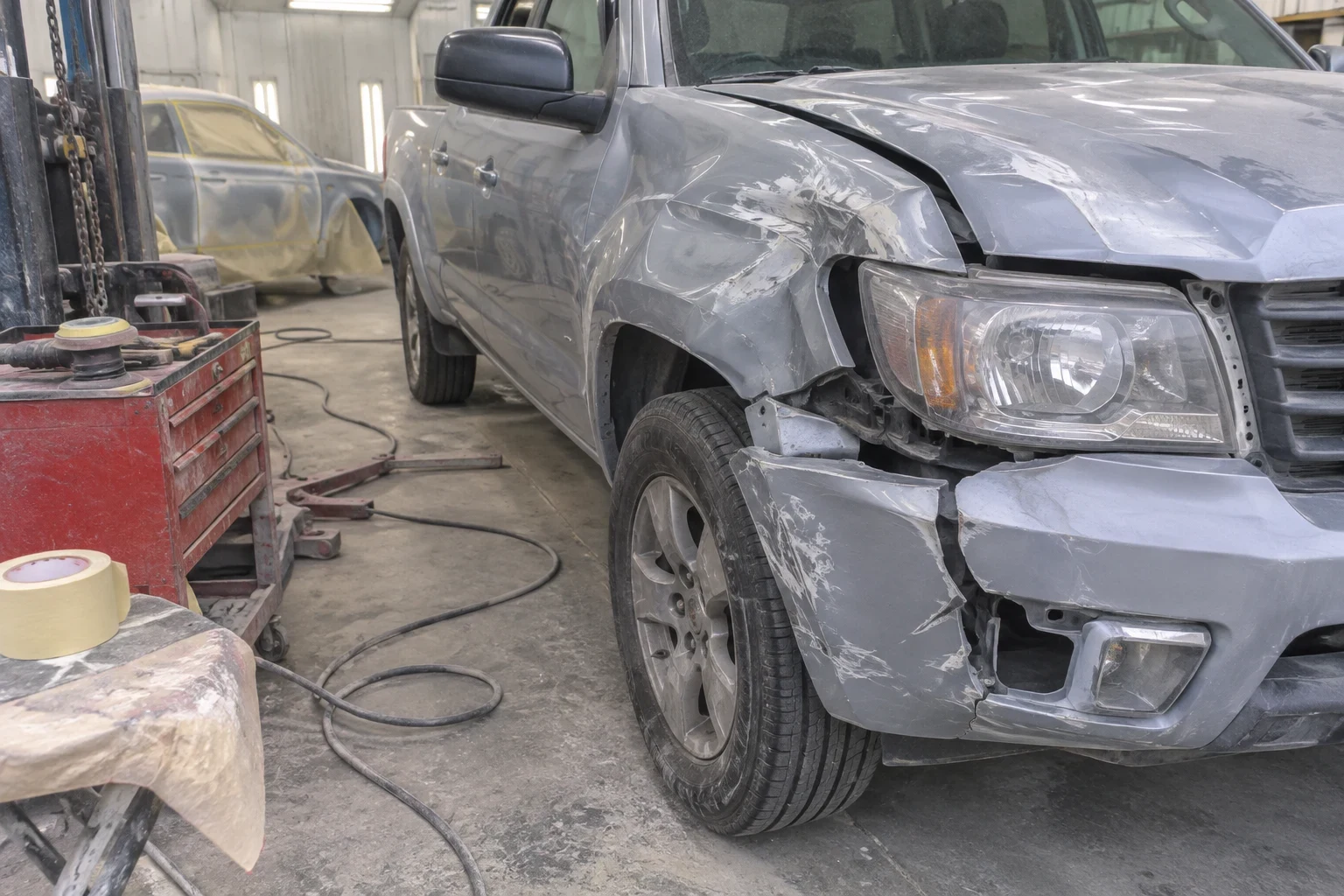
What shapes the cost of a claim repair
With a claim, your insurer pays the approved amount and you pay your deductible. What the repair costs in total still depends on the car and the damage. Knowing what moves the number helps you understand why estimates and supplements change.
- Hidden damage
- The first estimate covers what is visible. Damage found during teardown is added by supplement, and on a modern unibody car that can be a meaningful share of the job.
- Parts type
- Factory parts, aftermarket and recycled parts differ in price, fit and corrosion protection. Your policy wording often decides which ones are paid for.
- Sensors and calibration
- Cars with lane-keeping or automatic braking often need cameras and radar recalibrated after body work. That step adds time and cost but matters for safety.
- Paint and blending
- Matching modern multi-stage paint often means blending into the panels next to the repair. Done properly, the finish holds its color and gloss for years.
Questions about insurance claim repairs
Something not covered here? (559) 491-1778
My insurer suggested a particular body shop. Am I stuck with it?
You are free to choose. In California, the driver picks who repairs the vehicle, not the insurance company. A network shop may suit you fine, and if it does, that is a reasonable choice. If you would rather bring your car to us, we work with your carrier just the same.
Will you deal with my adjuster for me?
We send the adjuster our written estimate, photos and any supplements, and we answer their questions about how the repair will be done. Coverage decisions stay between you and your insurance company, because we are not the adjuster and do not speak for them.
What happens if you find more damage after the repair starts?
We pause that part of the job, photograph what turned up and send a supplement to the insurer. Once it has been reviewed, the added work goes ahead, and we tell you what changed and why.
Can I ask for factory parts instead of aftermarket ones?
Yes, you can ask, and we will give you a straight comparison of how the parts fit and how they tend to hold up. Whether your insurer pays for factory parts depends on the wording of your policy. Some drivers decide to cover the difference themselves for parts they expect to last longer.
When is my deductible due?
In most cases you settle it when you pick up your vehicle. The insurer pays its share of the approved repair, and the deductible is your portion of the total.
Start the repair side of your claim
Tell us what happened and who your insurer is. We will explain how we inspect and estimate, and set a time for you to bring your car in.